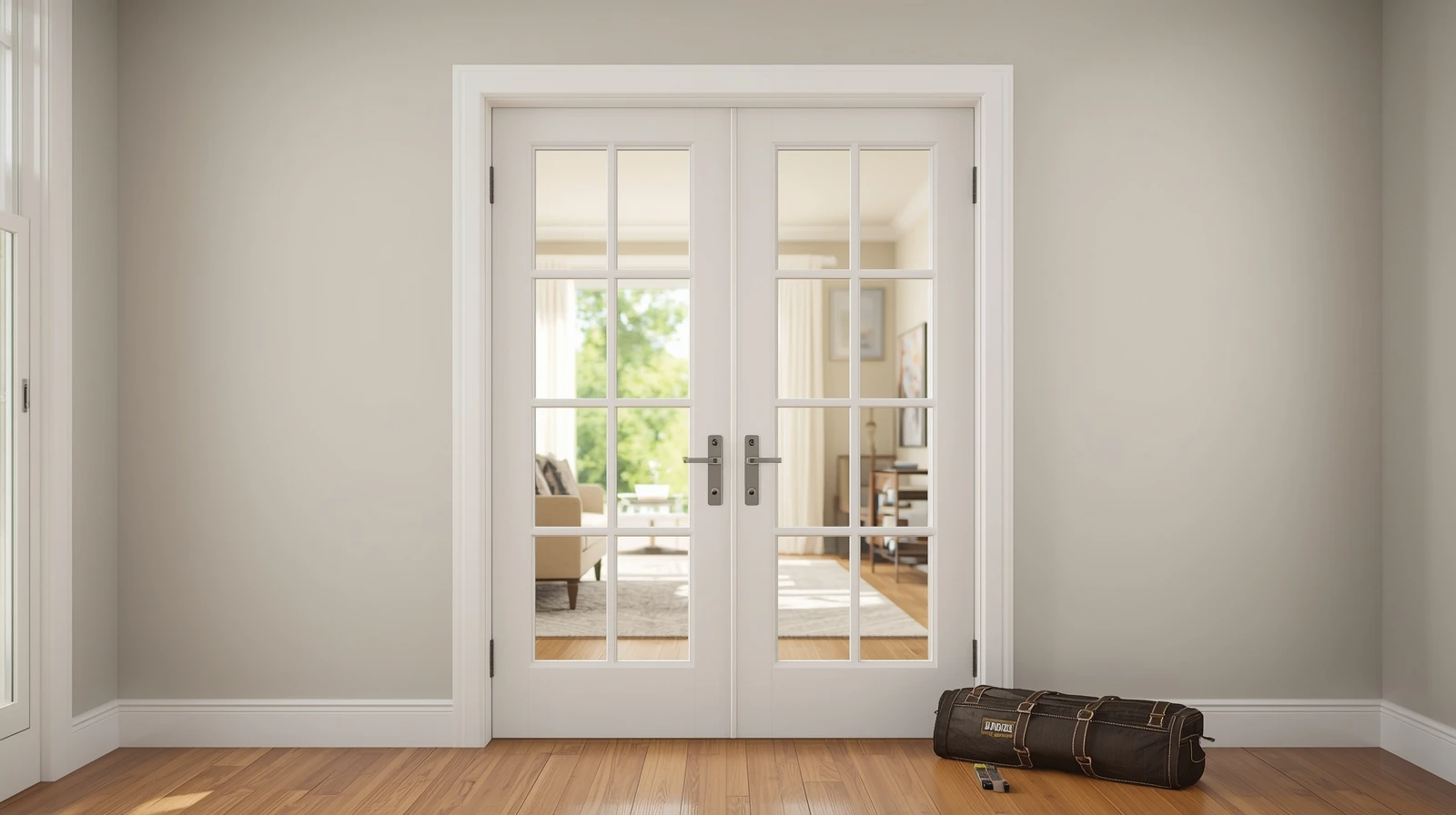
Door Casings Styles are the different shapes, profiles, and designs used around a door to create a finished look. These styles can be simple, modern, or decorative, and each one changes how a room feels. In this guide, you will learn how the types of door casing work, what interior door casings look like, and which styles fit different homes. The goal is to help you understand these trims in a clear and easy way. You will also learn when it is best to hire experts like PNW Prestige Exteriors. This summary gives you a direct answer to the main topic before the full guide begins.
Understanding What Door Casings Are and Why They Matter
Door casings are the strips of material that frame a door. They fill the gap between the wall and the door frame so the area looks clean and complete. Many homeowners think of the casing as a simple detail, but it plays a bigger role than most people notice. A good casing can shape the look of the entire room because it stands at eye level and touches both the wall and the door itself.
Door casing also protects the edges of the wall from bumps, moisture, and daily wear. Without it, the wall would chip or crack more easily. When you understand what casing does, you start to see why choosing the right style matters.
Casing also helps a home feel more balanced. When you walk into a room and see clean lines around every doorway, the space feels more put together. Whether you choose simple or detailed trim, the casing helps set the style for the entire home.
How Door Trim Shapes the Look and Feel of a Room
Door trim is more than a finishing touch. It controls how open, tall, and clean a room feels. Thick trim can make a doorway feel bold and strong. Thin trim can make the space feel wide and modern. The right trim can also connect different parts of the home. For example, if your windows, baseboards, and doors all share similar styles, the home looks consistent and thoughtfully designed.
Trim also affects brightness. Light colored trim can make a room feel bigger and brighter. Dark trim can add depth and drama. The best part is that trim updates are not as expensive as full remodels, yet they can create a powerful change.
When a homeowner understands how trim works with walls, flooring, and door styles, choosing the right casing becomes much easier. This is why knowing the different types of door trim will help you make a confident choice.
Exploring the Most Common Door Casings Styles Used in Homes
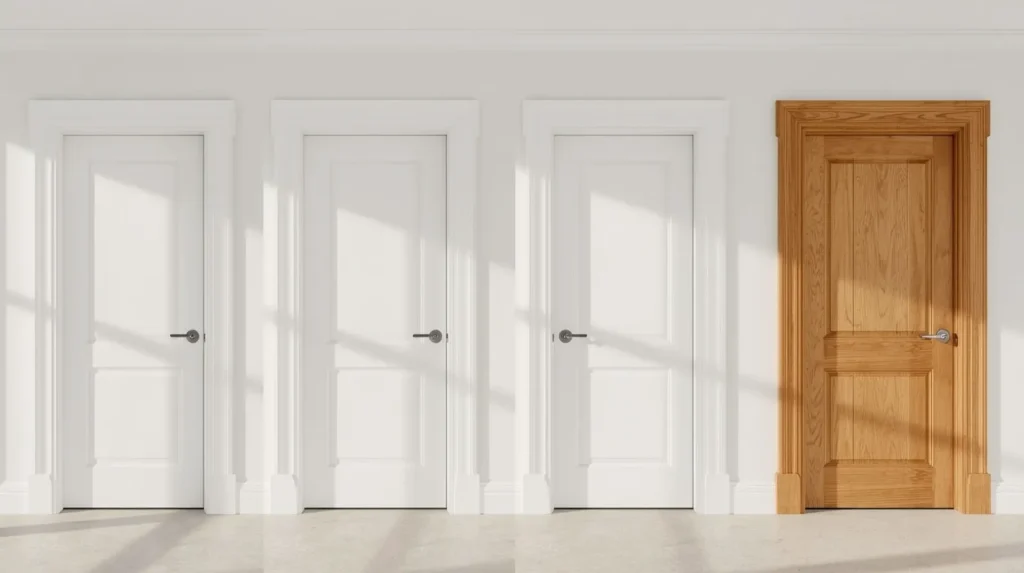
Many homes use a few common styles of casing because they fit most design preferences. These include simple flat casings, rounded casings, colonial casings, and craftsman styles. Each one has a different look even though they all serve the same purpose.
Flat casings are smooth and simple. They work well in modern and minimal homes. Colonial casings have more curves and small details. They are classic and fit well in older homes or homes with rich character. Craftsman casing has clean lines and a squared look, which gives a warm but structured feeling.
Understanding these common door casings styles helps homeowners match the look they want without feeling lost in too many choices.
A Simple Guide to the Types of Door Casing Found in Modern Interiors
Modern interiors use a few common types of door casing. Each type has its own shape and feel. Here is a simple list to help you understand them one by one.
1. Flat Profile Casing
This type has a smooth and straight surface. There are no curves or raised details. It works well in homes that want a clean and calm look. Flat casing is easy to paint and easy to match with other trim.
2. Square Edge Casing
This casing has sharp edges and a bold shape. It feels strong and modern. It fits well in homes with simple furniture, straight lines, and updated designs.
3. Stepped Casing
Stepped casing has a few small levels that rise slightly from the surface. It adds depth without making the style too detailed. Many new homes use this style because it mixes modern and classic looks nicely.
4. Beveled Casing
Beveled casing has angles cut into the surface. These angles make the casing look smooth and a little softer than square styles. It works well in homes that want a clean look with a bit of character.
5. Craftsman Style Casing
This type uses straight lines and a simple shape, but it is thicker than flat casing. Craftsman trim feels warm and strong. It is a popular choice for homes that want a natural and timeless design.
6. Rounded or Bullnose Casing
Rounded casing has curved edges. It feels soft and traditional. This type is often used in older homes or in spaces where you want a classic look.
7. Decorative or Colonial Casing
This type has curves, ridges, and detailed shapes. It creates a rich, elegant look. It works well in formal spaces or homes with classic architecture.
8. Minimal Slimline Casing
Slimline casing is very thin and simple. It is used in modern and minimalist homes where every detail stays small and clean. It gives a smooth look while keeping the design light.
Comparing Popular Types of Door Trim and When Each One Works Best

Different types of door trim create different looks, and each one works best in certain spaces. Here is a simple point wise breakdown to help you choose the right style for your home.
1. Thin Trim
- Works best in small rooms.
- Makes the doorway look clean without taking up visual space.
- Good for modern or simple design themes.
2. Wide Trim
- Fits larger rooms or homes with high ceilings.
- Gives a bold and strong look.
- Helps create a balanced feel in open spaces.
3. Curved Trim
- Adds softness to a room.
- Best for classic or traditional homes.
- Pairs well with decorative moulding and rounded door frames.
4. Straight Trim
- Clean lines that fit modern design styles.
- Makes the doorway feel structured and neat.
- Easy to match with flat baseboards and simple window trim.
5. Basic Flat Trim
- Works well in almost any home.
- Simple design that blends with many furniture styles.
- Ideal for homeowners who want a low risk update.
6. Craftsman Style Trim
- Thick and squared with a warm, strong look.
- Fits well in homes with natural materials and simple shapes.
- Works great with wood floors and earthy color palettes.
7. Decorative Trim
- Includes curves, layers, or raised details.
- Best for formal rooms or older homes.
- Makes the doorway feel rich and elegant.
8. Minimal Slimline Trim
- Matches well with modern lighting and plain wall colors.
- Very thin and tidy, perfect for minimalist spaces.
- Helps a room feel wide and open.
Interior Door Casings That Fit Today’s Clean and Modern Designs
Many homeowners today want clean lines, smooth surfaces, and modern shapes. Interior door casings that fit these homes are simple and crisp. Flat casing is one of the most popular choices because it blends with almost any color scheme. It also works well with modern doors that have clear glass, black frames, or simple paneling.
Another choice is the square edge casing. It gives a sense of structure and balance without looking heavy. This is a favorite for homes with modern lighting, straight furniture lines, and soft color palettes.
These interior door casings help a home feel updated without making it feel cold. With the right color and finish, they add warmth and elegance.
Classic and Decorative Types of Door Moulding for a Timeless Look
Classic door mouldings come in many shapes, and each type brings its own level of detail and charm. These mouldings help create a warm, elegant, and traditional look in any home. Below are the most common types explained in a simple, easy to understand way.
1. Colonial Moulding
Colonial moulding has gentle curves and soft lines. It is one of the most popular decorative trims because it fits many styles. It creates a balanced look that feels classic but not too heavy.
2. Victorian Moulding
Victorian moulding is rich, detailed, and full of character. It often includes deep curves, layered shapes, and bold profiles. This style works well in homes that want a grand and historic look.
3. Traditional Raised Profile Moulding
This type has raised edges or patterns that give it depth. It stands out more than flat trim and adds a formal feel to the space. It pairs well with tall baseboards and decorative crown trim.
4. Bead and Curve Moulding
This moulding includes a small rounded bead or a soft curve. It adds a graceful touch without looking too busy. It is great for classic homes that want subtle detail.
5. Fluted Moulding
Fluted moulding has long, straight grooves running down the surface. These grooves add texture and a traditional architectural feel. It works well with decorative corner blocks for an even stronger look.
6. Rosette and Block Moulding
Rosettes are decorative blocks used at the top corners of the door trim. They make the doorway look more formal and help create a historic style. They are often paired with fluted casing for a complete design.
7. Dentil Moulding
Dentil moulding includes a repeating pattern of small square blocks. It is a bold and classic style often used in large or formal rooms. It gives the doorway a strong and elegant presence.
8. Craftsman Inspired Decorative Moulding
Craftsman moulding uses thick, straight lines and square shapes. It mixes traditional charm with clean edges. This style is great for homeowners who want timeless detail without too much ornament.
Simple Door Trim Styles for Homeowners Who Prefer a Clean Finish
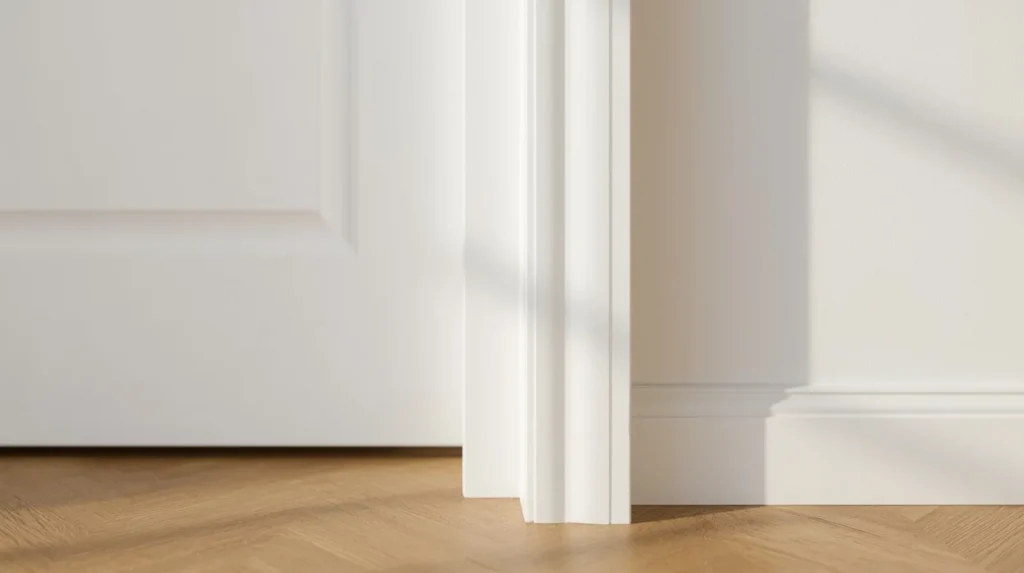
Not every home needs heavy detail. Simple door trim styles work best when the goal is a calm and neat space. These trims have straight lines, very small curves, or a smooth face. They blend with many design themes, including Scandinavian, contemporary, and modern farmhouse.
Simple trim is also easier to paint and clean. It stays sharp for many years and does not collect dust like deeper moulding. Homeowners who want a low maintenance style often choose these designs.
These styles also support affordable updates. You can change the look of an entire hallway or room by upgrading the door trim without changing doors or floors.
How to Choose the Right Door Casing for Your Space in Kent, WA
When choosing door casing for your space in Kent, WA, start by looking at your home’s current style. If your home has simple lines and modern lighting, go with flat or square casing. If your home has warm wood tones and classic shapes, choose decorative moulding or colonial profiles.
Next, think about the size of the room. Large rooms can use wider casing. Small rooms look better with thinner trim.
Also consider color. White is the safest and most popular choice. Dark wood adds richness. Black trim looks bold and modern.
If you are unsure what to choose, experts like PNW Prestige Exteriors can guide you through samples, profiles, and finishes that match your home.
Helpful Tips to Match Door Casing Styles With Existing Trim and Moulding
Matching casing to the rest of your home makes the whole space feel complete. Start by looking at your baseboards. If your baseboards are tall with simple lines, choose a matching casing that has similar shapes. If your baseboards have curves, pick a casing with curves as well.
Look at your window trim too. Window trim and door trim should be similar. If they are very different, the room can feel uneven.
Also think about flooring. Light floors usually look good with white casing. Dark floors can work with either dark or light casing depending on the style.
Matching trim is not difficult, but it does take thoughtful planning.
When to Call Professionals Like PNW Prestige Exteriors for Door Trim and Casing Work
Some homeowners can install casing on their own. However, professional installation creates cleaner corners, smoother lines, and a more precise fit. This is especially important when working with detailed moulding or when the walls are not perfectly straight.
Professionals also help you choose the right materials for your home. They know which trims last longer, which ones resist moisture, and which ones are easiest to maintain. This knowledge saves time and prevents mistakes.
When you want a polished look, calling experts like PNW Prestige Exteriors is the best choice. Their team understands design, structure, and finishing technique, which ensures your home looks beautiful and complete.
If you want your home to feel more finished and balanced, updating your door casings is a smart and affordable project. Reach out for expert help and transform the look of your rooms with clean, sharp, and stylish trim.