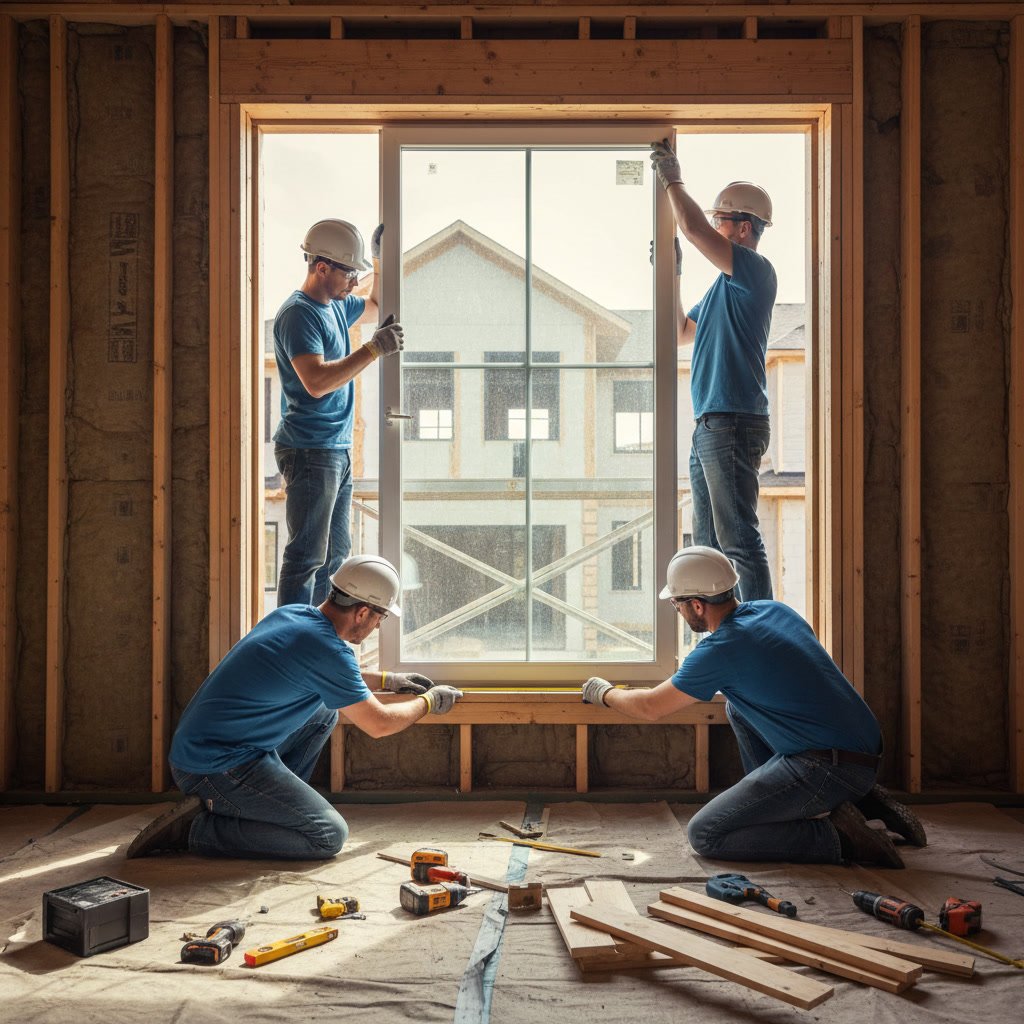
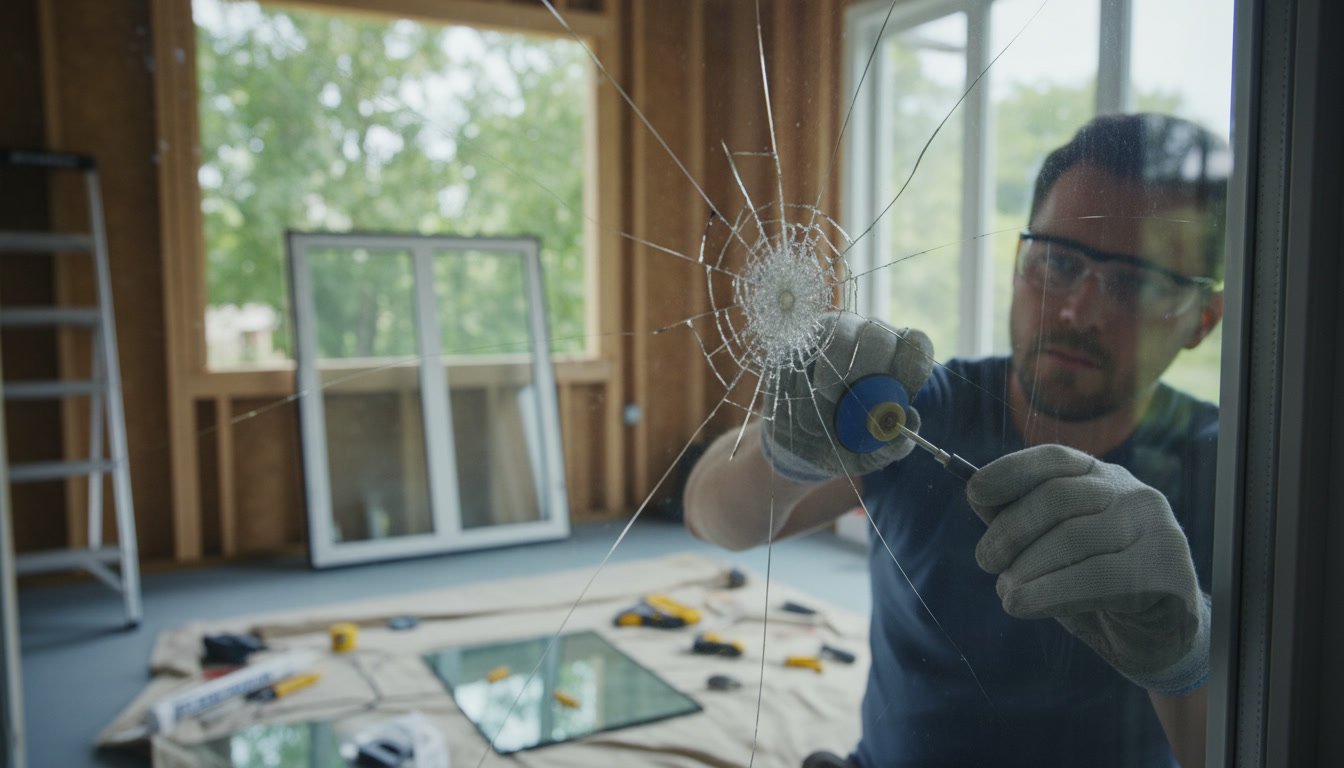
Damaged window glass doesn’t always require a complete window replacement. In many cases, window glass repair can restore function and appearance at a fraction of the cost. The key is understanding which types of damage can be fixed and which problems signal deeper issues that only full replacement can address. This guide walks you through the specific signs to look for and helps you make an informed decision.
Why Understanding the Difference Matters for Pacific Northwest Homes
Homes in the Puget Sound region face constant moisture, temperature swings, and seasonal storms that test every window. A small crack might seem harmless during summer, but once the rainy season arrives, that same crack can channel water into the frame, sill, and wall cavity. Knowing whether to repair or replace saves you from choosing a fix that fails during the next heavy downpour.
The difference also affects your timeline and budget. Repairs can often be completed in hours, while replacement projects require measurement, ordering, and installation that may span several days. Making the right choice the first time avoids the frustration of paying twice.
Single-Pane Glass Damage
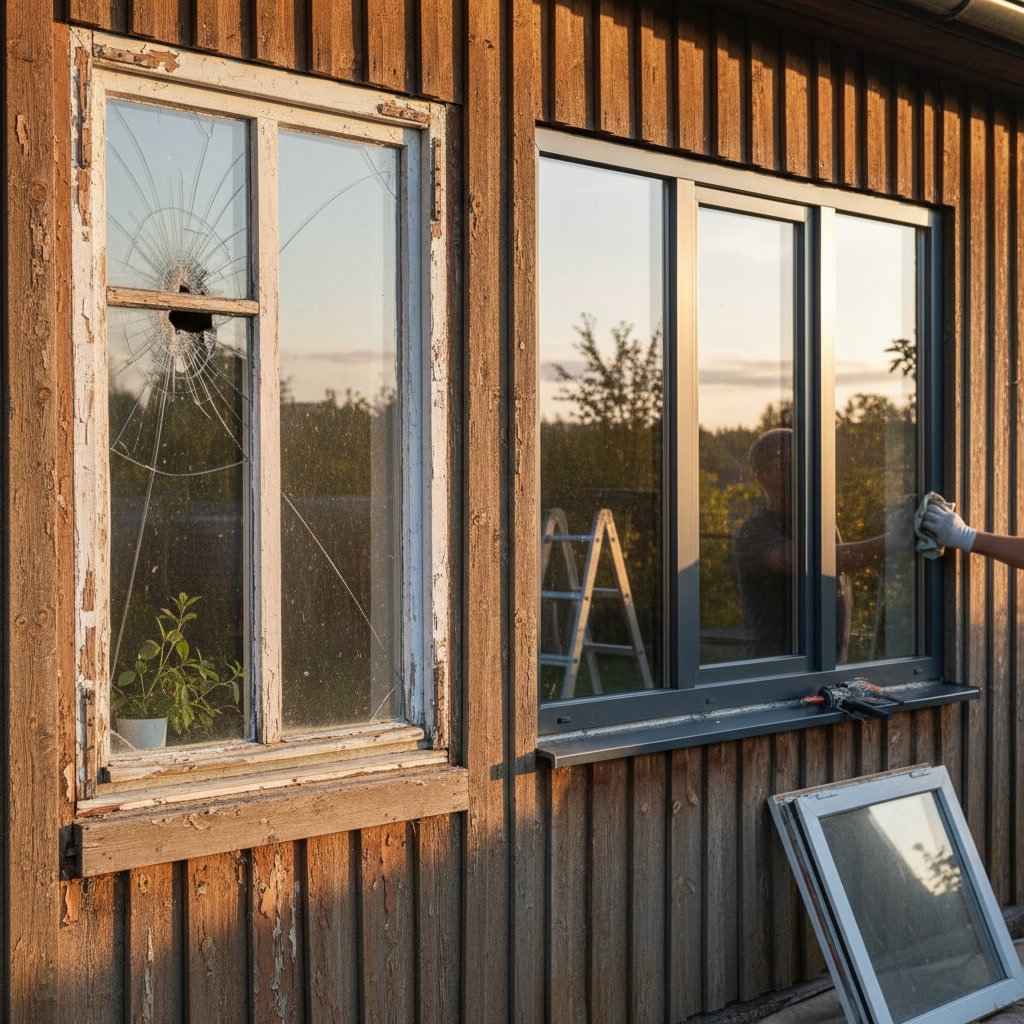
Single-pane windows are the simplest to evaluate. If the glass has a crack shorter than six inches and the frame remains square and solid, a glazier can often remove the damaged pane, install new glass, and reseal the opening. The surrounding frame, sash, and hardware stay in place.
However, if the frame shows rot, the sash no longer closes smoothly, or multiple panes in the same window are compromised, replacement becomes the smarter path. Repairing glass in a failing frame only delays the inevitable and wastes the cost of the repair.
Broken Seals in Insulated Glass Units
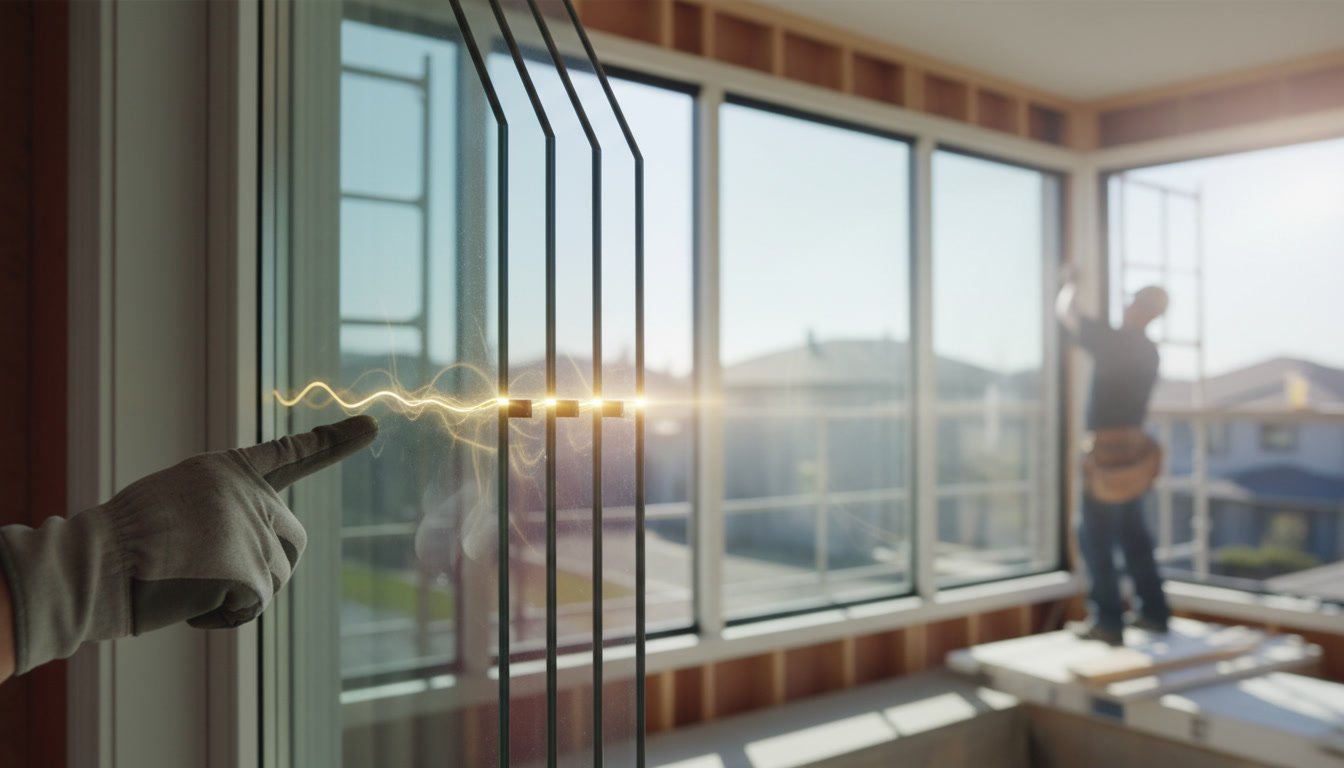
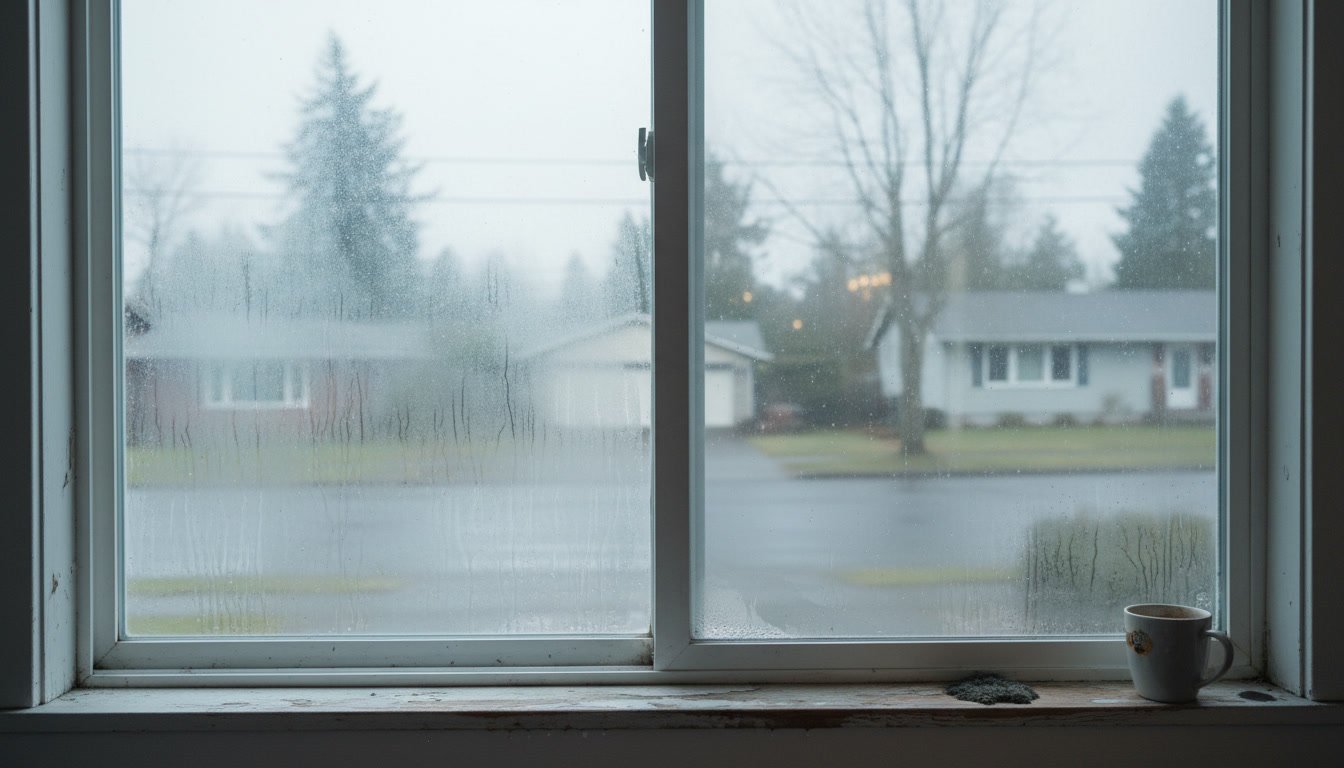
Most modern windows use insulated glass units with two or three panes separated by a sealed airspace. When that seal fails, moisture enters the gap and creates persistent fog or condensation between the panes. No amount of cleaning will remove it because the moisture is trapped inside.
Replacing just the insulated glass unit is possible if the frame and sash are in good condition and the manufacturer still produces matching units. The existing frame stays in the wall, and the new glass unit is installed into the sash. This option works well for windows less than 15 years old where the frame and hardware remain structurally sound.
For older windows or those with damaged frames, full replacement makes more sense. Trying to fit a new glass unit into a warped or deteriorating sash often leads to poor performance and another seal failure within a few years.
Cracks and Chips in Glass
Small chips at the edge of a pane, especially in low-traffic areas, rarely justify immediate action. They don’t affect function or energy performance and can remain stable for years.
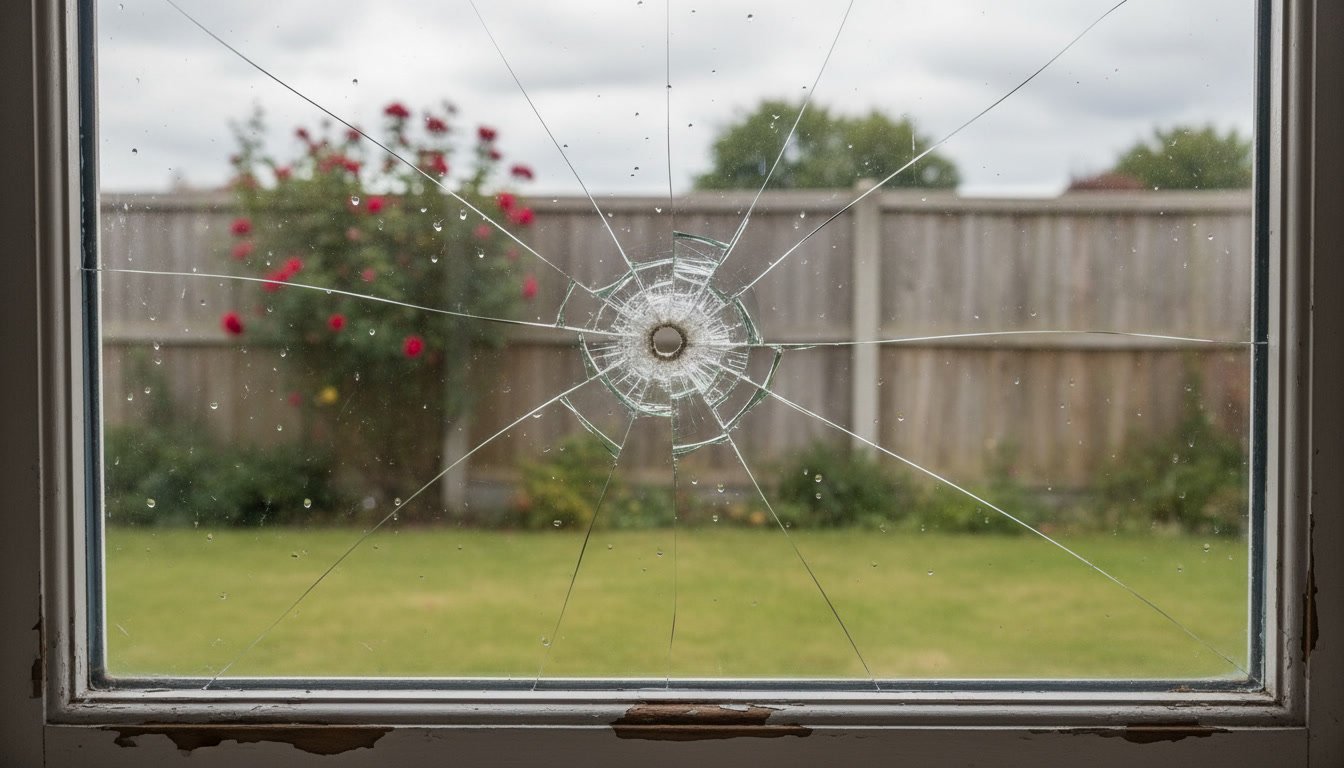
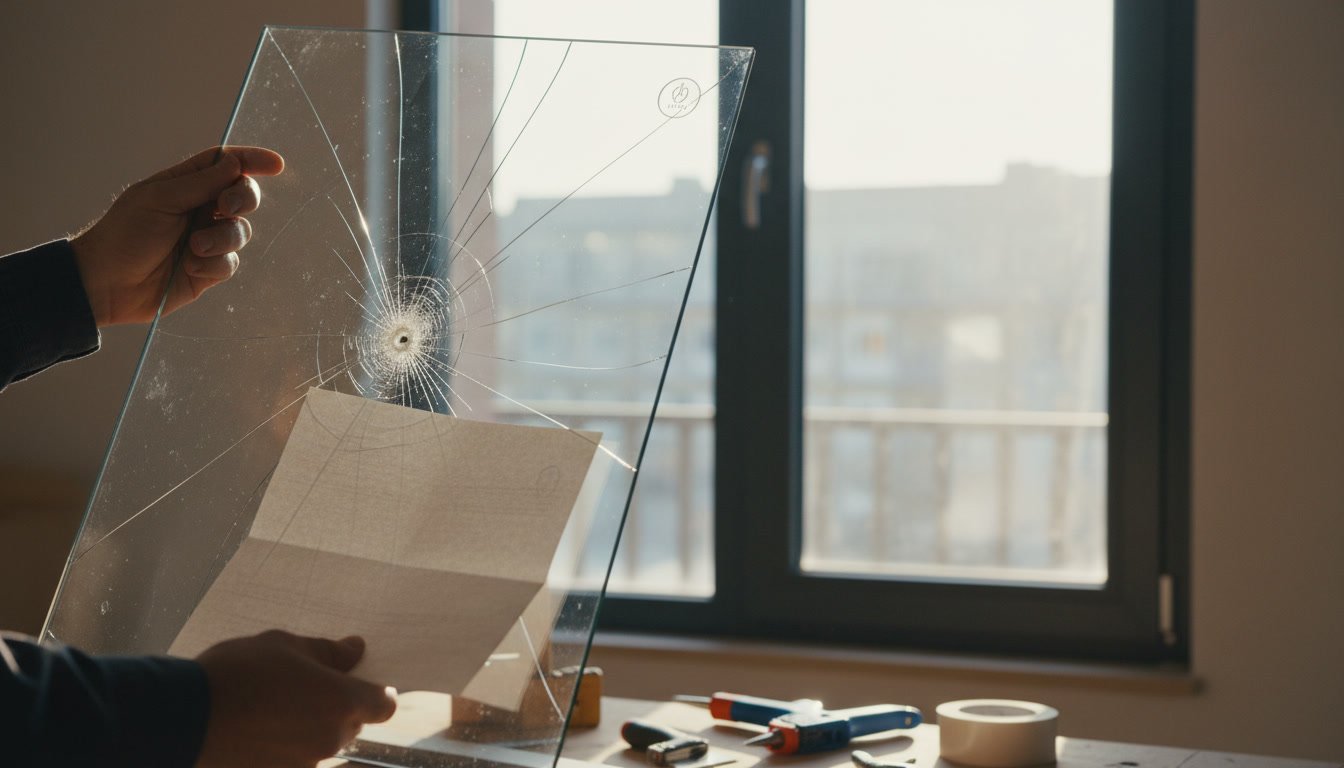
Cracks are different. Any crack that runs more than halfway across the glass, branches into multiple directions, or reaches from edge to edge compromises structural integrity. These panes can shatter unexpectedly, especially during temperature changes or when the window is opened and closed. Even if the crack appears stable today, stress from wind pressure or building settlement can cause sudden failure.
If a crack appears after an impact and the frame or sash also shows damage, replacement is usually the only reliable fix. The stress that cracked the glass often bends or splits the surrounding wood or vinyl, and repairing the glass alone leaves you with a window that no longer seals properly.
Energy Performance and Condensation Issues in Bellevue Homes
Condensation on the interior surface of your glass during cold months signals that the window isn’t insulating effectively. This can stem from failed seals, single-pane glass in an uninsulated frame, or outdated spacer materials that create thermal bridges.
If condensation appears between the panes, the seal has failed and the insulating gas has escaped. Repairing this requires replacing the entire glass unit, but it’s worth checking the frame at the same time. Frames that have been exposed to years of moisture often develop hidden rot or mold, especially along the sill and bottom rail.
Homes in Bellevue and the surrounding areas benefit from high-performance windows that include low-E coatings and argon or krypton gas fills. If your current windows lack these features, upgrading to new units during replacement can cut heating costs by 20 to 30 percent compared to older double-pane models. When you’re already investing in the labor for installation, the incremental cost of better glass often pays back within a few years.
Frame and Sash Condition
Even if the glass itself can be repaired, the surrounding frame determines whether the repair will last. Check the sill, jambs, and sash for soft spots, discoloration, or visible rot. Press a flathead screwdriver gently into the wood in several places. Healthy wood resists; rotted wood compresses or flakes.
Vinyl frames should be checked for cracks, warping, or discoloration. If the sash no longer sits square in the frame or if you can see daylight around the edges when the window is closed, the frame has likely shifted or degraded.
Replacing glass in a compromised frame is like patching a tire with sidewall damage. It might hold for a short time, but the underlying problem will resurface. If the frame needs work, full window replacement gives you a fresh start with modern materials and improved performance.
When Repair Costs Approach Replacement Costs
Labor and materials for repairing insulated glass units can run 50 to 70 percent of the cost of a full window replacement, especially for custom sizes or hard-to-match units. If the repair estimate climbs above 60 percent of replacement cost, the extra investment in a new window buys you a longer warranty, better energy performance, and peace of mind.
Consider how many windows need attention. Repairing one window makes sense, but if three or four have similar issues, replacing all of them in a single project often reduces the per-window cost and ensures consistent appearance and performance.
Safety Glass Requirements
Building codes require tempered or laminated safety glass in certain locations, including doors, sidelites, windows within 18 inches of a door, and any glass within 24 inches of the floor. If your damaged window falls into one of these categories, the replacement glass must meet current safety standards even if the original did not.
Upgrading to safety glass during a repair adds cost, but it’s not optional. In some cases, bringing one window up to code makes replacement more practical than navigating the permit and inspection process for a repair.
Warranties and Manufacturer Support
Check whether your windows are still under warranty. Many manufacturers cover seal failures and glass defects for 10 to 20 years. If the damage is covered, you may receive a replacement glass unit at no cost, with installation as the only expense.
Even if the warranty has expired, manufacturers sometimes offer discounted replacement parts for discontinued models. Contact the original installer or manufacturer before assuming replacement is the only option.
Older windows from companies no longer in business pose a challenge. Matching the size, profile, and glass specification often requires custom fabrication, which drives up repair costs and may make replacement the more economical choice.
Long-Term Value and Home Resale
If you plan to sell your home within the next few years, buyers and inspectors will scrutinize window condition. Patched or mismatched windows raise questions, while newer windows add appeal and can become a selling point.
Full replacement also provides an opportunity to improve curb appeal by updating styles, colors, or grid patterns. Coordinating all windows on a facade creates a polished look that repair alone cannot achieve.
For homes where you plan to stay long-term, weigh the total cost of ownership. A repair that lasts three to five years may need to be repeated, while replacement offers 20 to 30 years of maintenance-free performance. Spreading the cost of replacement over its lifespan often reveals better value than repeated short-term fixes.
Making the Right Choice for Your Home
Start by inspecting the entire window, not just the glass. Look for drafts, water stains, difficulty opening or closing, and frame deterioration. Take photos and measurements to share with contractors during estimates.
Request detailed quotes that break down material and labor costs for both repair and replacement. Ask how long each option is expected to last and what warranties apply. A reputable contractor will explain the trade-offs honestly rather than pushing the higher-cost option by default.
For homeowners throughout Tacoma, Renton, and nearby areas, working with a team that understands local weather patterns and building practices ensures you get advice tailored to the conditions your windows actually face. If you’re evaluating multiple windows at once, reading about how window installation works from measurement to final walkthrough can help you understand what to expect during a replacement project.
Protecting Your Investment After the Decision
Whether you choose repair or replacement, the glass is only part of the system. Proper flashing, sealant, and drainage details determine how well the window keeps water out during Pacific Northwest storms. Installers should follow manufacturer specifications and local best practices to prevent water intrusion that can damage surrounding walls and insulation.
After installation, inspect the work closely. Check that the sash operates smoothly, locks engage fully, and no gaps remain around the frame. Test for drafts by holding a lighter or incense stick near the edges on a breezy day. Address any concerns immediately while the installer is still on-site.
If you’ve chosen repair, mark your calendar to reinspect the window in six months and again after the first full winter. Early signs of recurring problems give you time to plan for replacement before a small issue turns into an emergency.
Understanding the difference between repairable damage and problems that require full replacement helps you make decisions that protect your home and budget. Small cracks and failed seals in otherwise sound frames can often be fixed affordably, while frame damage, outdated performance, or widespread issues across multiple windows point toward replacement as the smarter long-term choice.
PNW Prestige Exteriors helps homeowners evaluate window damage and choose the solution that fits their goals and timeline. Whether you need a single window repair or a complete upgrade to energy-efficient replacements, our team provides clear guidance and precise work that stands up to the demands of the region. Call (253) 632-8746 to schedule an inspection and receive a detailed estimate for your project.