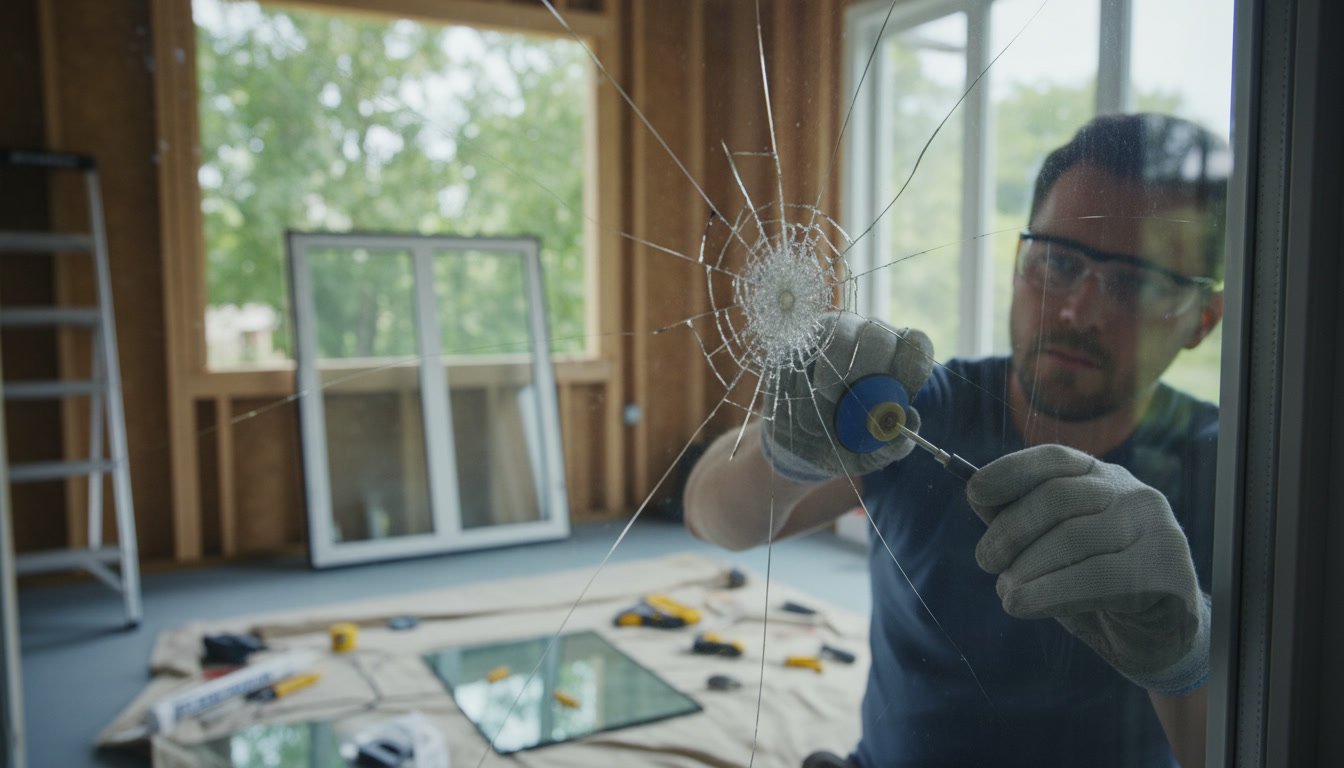
Window weep holes are small openings along the bottom of your window frame that allow trapped water to escape before it causes rot, mold, or structural damage. When they clog with debris, water backs up inside the frame and can lead to serious problems. Understanding how these tiny openings work and maintaining them properly protects your home from expensive repairs and extends the life of your windows.
Why Modern Windows Need a Way to Drain Water
Today’s windows are built with multiple layers and chambers designed to improve insulation and block drafts. While this construction makes homes more energy-efficient, it also creates spaces where water can become trapped. Rain and condensation naturally find their way into the narrow gaps between the glass, sash, and frame during storms or humid weather.
Without a drainage path, that trapped moisture sits inside the frame and begins to damage wood, corrode metal components, and create conditions for mold growth. The weep system solves this problem by giving water a controlled exit point at the exterior bottom edge of the frame.
How Weep Holes Work to Protect Your Home
Most vinyl and aluminum window frames include a series of small rectangular or round openings spaced along the bottom exterior edge of the sill. These openings connect to internal channels that collect any water that enters the frame assembly. Gravity pulls the moisture down through these channels and out through the weep openings.
The system works passively, with no moving parts. As long as the holes remain clear, water flows out within minutes of entering the frame. This continuous drainage prevents the standing water that leads to rot, rust, and failed seals. When combined with proper window flashing installation, the weep system forms a complete moisture management strategy.
What Happens When Weep Holes Become Blocked
Dirt, pollen, spider webs, paint, and caulk are the most common materials that seal off these drainage openings. In the Pacific Northwest climate, moss and algae can also build up around the exterior sill and cover the holes. Once blocked, water has nowhere to go and begins pooling inside the frame.
The first sign is often moisture stains or discoloration on the interior sill or wall below the window. You may notice condensation between the glass panes if water damages the seal. In wood-framed homes, rot can develop within the rough opening before you see any visible damage from the interior. Metal frames may develop rust spots or corrosion around fasteners and corner joints.
Step-by-Step Guide to Clearing Clogged Weep Holes
Cleaning weep holes takes less than five minutes per window and requires only basic tools. Start by locating the small openings along the bottom exterior edge of the window frame. Most frames have two to four holes spaced evenly across the width of the sill.
Use a thin tool such as a pipe cleaner, small wire, or plastic bristle to gently probe each opening. Push the tool in about one to two inches and move it up and down to dislodge any debris. Avoid using metal objects that can scratch or damage the frame material. For stubborn blockages, a can of compressed air can blow out packed dirt or insect nests.
After clearing the holes, pour a small amount of water along the exterior sill and watch to confirm that it drains out through the openings. If water still does not flow freely, the internal channels may be blocked deeper inside the frame, which often requires professional evaluation.
Common Mistakes That Block Weep Holes During Repairs
Homeowners and inexperienced contractors sometimes seal weep holes with caulk during exterior maintenance projects. The openings can look like gaps that need filling, especially when applying caulk around the perimeter of the window. This mistake is one of the most common causes of sudden drainage failure in otherwise functional windows.
Paint is another frequent culprit. Exterior trim painting can easily cover the small openings if protective tape is not applied first. Once dried, paint forms a waterproof seal that completely blocks drainage. Removing cured paint from weep holes without damaging the frame requires patience and a careful hand.
How Weep Hole Design Varies Across Window Types in Bellevue
Vinyl replacement windows typically feature rectangular slots cut directly into the bottom rail of the frame. These slots are usually between a quarter-inch and half-inch wide. Aluminum frames often use round holes drilled through the sill, sometimes with small plastic covers or flaps that allow water out while keeping insects from entering.
Wood-clad windows may incorporate concealed drainage systems where the weep openings are less visible from the exterior. Older single-pane windows often lack any built-in drainage system, which is one reason window installations and repairs have evolved to include these features as standard practice in modern construction.

Signs Your Windows May Have Drainage Problems Beyond Simple Clogs
If you clear the weep holes and still notice moisture issues, the problem may involve damaged internal channels, failed weatherstripping, or improper installation. Water stains that appear on interior walls beside or below the window often indicate that moisture is bypassing the drainage system entirely and entering the wall cavity.
Condensation between the panes of insulated glass suggests that the seal has failed, often due to prolonged exposure to standing water inside the frame. Musty odors near the window or visible mold growth on the sill or surrounding drywall are urgent signs that moisture has been present for an extended period. These conditions usually require more than simple cleaning and may need a full assessment to determine whether repair or replacement is the better option. Homeowners facing these decisions can learn more by reviewing guidance on whether windows need repair or replacement.
How Often You Should Inspect and Clean Weep Holes
In the wet climate of the Pacific Northwest, inspecting weep holes twice a year is a practical schedule. The best times are early spring after the heavy winter rains and late fall before the next wet season begins. Homes surrounded by trees, near construction zones, or in areas with heavy pollen may benefit from more frequent checks.
During each inspection, look for visible debris, insect activity, or caulk and paint that may have been applied by mistake. Run a pipe cleaner through each hole and test drainage with a small amount of water. This simple maintenance step can prevent thousands of dollars in water damage repairs and extend the functional life of your windows by years.
Preventing Future Clogs and Drainage Issues
Keeping the area around your window sills clean reduces the amount of debris that can enter weep holes. Trim back bushes and tree branches that touch or overhang the windows, as they deposit leaves, twigs, and organic material on the sill during wind and rain. Regularly hosing down the exterior window frames during routine home maintenance helps wash away dirt and pollen before it accumulates.
If you hire contractors for painting or caulking work, point out the weep holes before the job begins and ask them to avoid sealing or covering these openings. A small piece of painter’s tape over each hole during the work provides simple protection. For homes in areas with persistent insect problems, small foam or bristle inserts are available that allow water to pass while blocking bugs, though these inserts themselves must be cleaned periodically to remain effective.
When Professional Help Makes Sense
Most weep hole maintenance is straightforward enough for homeowners to handle. However, certain situations call for professional evaluation. If you notice water damage that has already affected the surrounding wall, trim, or interior finishes, a trained installer can assess whether the window itself is still sound or if the rough opening has been compromised.
Windows that consistently develop drainage problems even after clearing the weep holes may have been installed without proper flashing or may have internal design flaws. Persistent moisture issues can also indicate problems with grading, gutters, or roof drainage that direct too much water toward the windows. Professionals can trace the source of the problem and recommend targeted solutions rather than temporary fixes.
Protecting Your Investment with Simple Ongoing Care
Weep holes are a small detail that plays an outsized role in protecting your home from water damage. Regular inspection and cleaning take only a few minutes but prevent problems that can cost thousands to repair. By keeping these drainage openings clear and understanding how they function, you ensure your windows perform as designed for decades.
Homes in Tacoma, Renton, and surrounding areas face frequent rain and humidity that make weep hole maintenance especially important. Combining this care with attention to other window components, such as understanding how Low-E glass coatings work, gives you a complete approach to window performance and longevity.
If you are dealing with persistent moisture problems, visible damage around your windows, or simply want a professional evaluation of your home’s drainage systems, PNW Prestige Exteriors offers thorough inspections and expert solutions. Our team understands how local weather affects window performance and can help you maintain or upgrade your home’s exterior to withstand the Pacific Northwest climate. Reach out at (253) 632-8746 to schedule a visit and get clear answers about your windows.