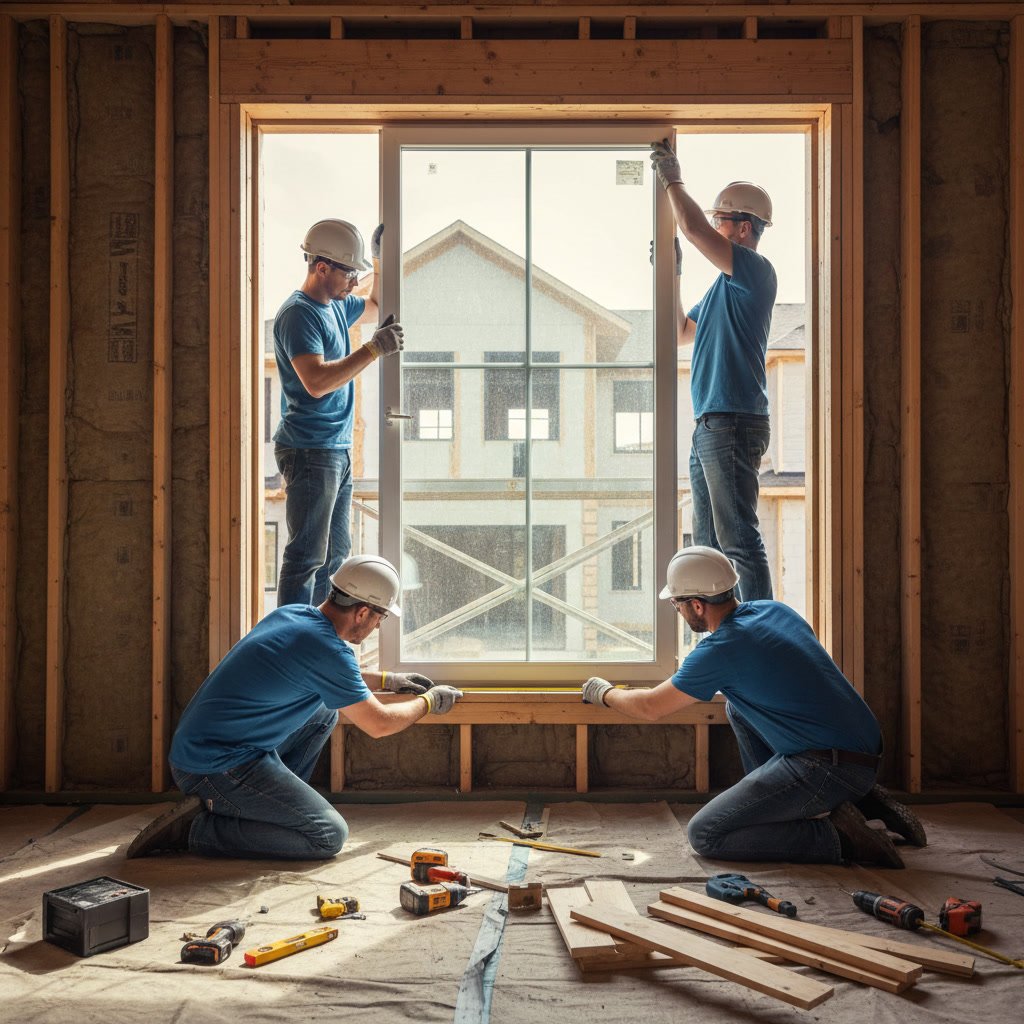
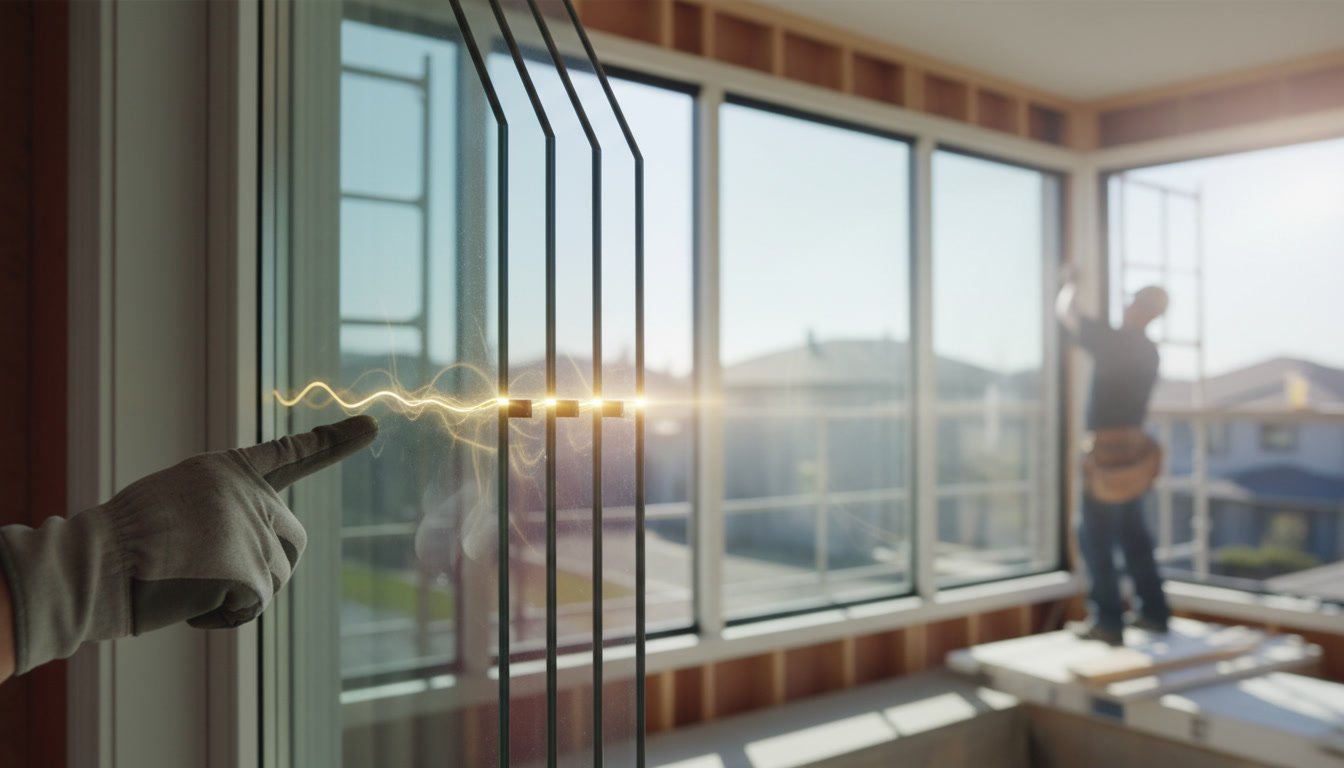
Low-E glass coating is a microscopically thin metallic layer applied to window glass that reflects heat while allowing visible light to pass through. This invisible coating reduces energy loss by up to 50 percent compared to standard glass, helping your home stay warmer in winter and cooler in summer. The technology controls which wavelengths of energy can enter or exit your home, creating a more efficient thermal barrier without sacrificing natural light or outdoor views.
Why Standard Glass Struggles with Energy Control
Traditional window glass acts as a poor insulator. Heat moves freely through the pane in both directions, driven by temperature differences between inside and outside air. During winter, warm air inside your home radiates outward through the glass. In summer, heat from the sun passes through and warms interior spaces.
Single-pane windows offer almost no resistance to this transfer. Even dual-pane units with air gaps between the glass layers provide limited control over radiant heat. The gap slows conductive heat transfer but does little to stop infrared radiation, the primary way energy escapes through windows.
This lack of control forces heating and cooling systems to work harder. The result shows up in higher utility bills, uneven room temperatures, and increased wear on HVAC equipment. Homes with older windows often experience cold spots near glass surfaces in winter and excessive heat gain near south-facing windows in summer.
The Science Behind Low-E Coatings
The coating consists of multiple ultra-thin layers of metallic oxides, typically silver or tin oxide, applied to the glass surface. These layers measure only a few atoms thick, making them completely transparent to the human eye while still altering how the glass handles different types of energy.
Visible light wavelengths pass through the coating with minimal interference. Infrared wavelengths, which carry heat energy, reflect back toward their source. In winter, the coating reflects interior heat back into your home. In summer, it reflects solar heat away before it can warm indoor spaces.
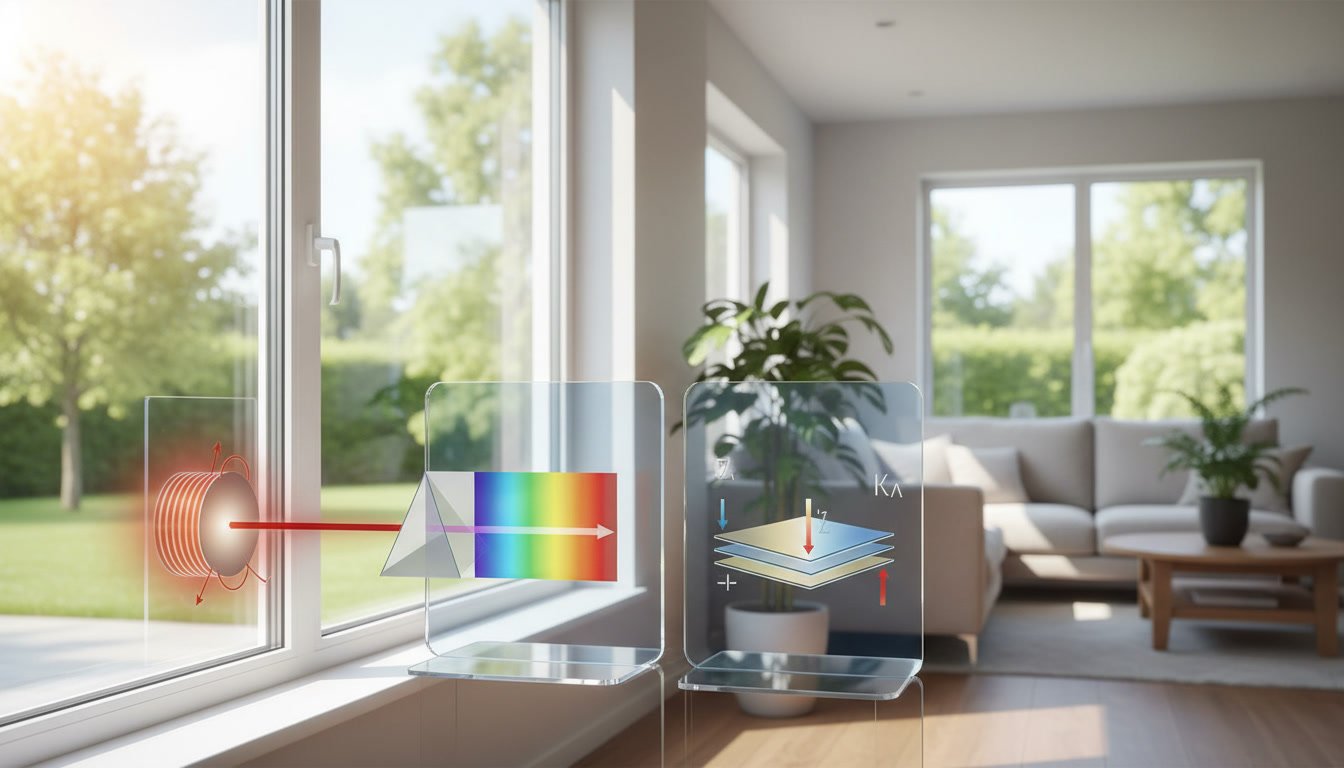
The coating’s position on the glass matters. Hard-coat low-E is applied during manufacturing while the glass is still hot, fusing the coating to the surface. Soft-coat low-E is applied after manufacturing in a vacuum chamber, creating a more delicate but higher-performing layer that must be protected between panes in a sealed unit.
How Different Low-E Formulas Serve Different Climates
Manufacturers produce low-E coatings optimized for specific climate zones. Passive low-E coatings maximize solar heat gain, allowing warmth from winter sun to enter while still blocking heat loss at night. These work well in heating-dominated climates where you want free warmth during the day.
Solar control low-E coatings do the opposite. They block a larger portion of solar heat while still allowing plenty of natural light. These suit cooling-dominated climates where preventing heat gain is the priority.
Pacific Northwest homes benefit from a balanced approach. The region experiences cold, wet winters and warm, dry summers. A moderate solar control coating provides year-round performance, reducing heating bills without making your home uncomfortably dark or blocking beneficial winter sun entirely.
Measuring Window Performance with U-Factor and SHGC
Two numbers tell you most of what you need to know about window efficiency. U-factor measures how well the window prevents heat from escaping. Lower numbers mean better insulation. Standard dual-pane windows typically rate between 0.30 and 0.50. Adding low-E coating can drop that to 0.20 or lower.
Solar Heat Gain Coefficient (SHGC) measures how much solar radiation passes through the glass. The scale runs from 0 to 1. A rating of 0.25 means the window blocks 75 percent of solar heat. Higher SHGC values allow more warmth in, lower values block it.
The ideal combination depends on your home’s orientation and shading. South-facing windows might benefit from slightly higher SHGC to capture winter sun. West-facing windows often need lower SHGC to prevent afternoon overheating. Professional window installations account for these variables when selecting glass specifications.
Visible Light Transmission and Color Neutrality in Bellevue Homes
Many homeowners in Bellevue worry that energy-efficient glass will darken their interiors or tint their views. Modern low-E coatings address both concerns. Visible light transmission (VLT) ratings above 60 percent allow plenty of natural light while still providing thermal control.
Color neutrality has improved dramatically. Early low-E products sometimes created a subtle green or blue tint. Current formulations maintain true color rendering both looking out and from the curb. The coating is invisible under normal viewing conditions.
The difference becomes most noticeable during the region’s long winter months when natural light is already limited. Windows with high VLT and low-E coatings keep rooms bright without sacrificing warmth or driving up heating costs.
Condensation Control and Indoor Comfort
Interior glass surface temperature plays a major role in condensation formation. When the inner pane drops below the dew point of indoor air, moisture condenses on the glass. This creates streaks, frost buildup, and potential damage to window frames and surrounding walls.
Low-E coatings keep the interior glass surface warmer by reflecting room heat back before it reaches the cold outer pane. This raises the surface temperature several degrees, often enough to prevent condensation even when outdoor temperatures drop well below freezing.
The comfort benefit extends beyond moisture control. Cold glass creates convective currents as warm room air contacts the surface, cools, and sinks. This draft effect makes spaces near windows feel colder than the actual room temperature. Warmer glass surfaces minimize these currents, creating more uniform comfort throughout the room.
UV Protection for Furnishings and Flooring
Ultraviolet radiation causes fading, discoloration, and material degradation in fabrics, wood, and artwork. Standard glass blocks most UV-B radiation but allows UV-A to pass through. Low-E coatings block over 95 percent of UV radiation while still transmitting visible light.
This protection matters most for south and west-facing windows where direct sun exposure is highest. Hardwood floors near windows retain their finish longer. Upholstery and carpets resist fading. Artwork and photographs maintain color accuracy for years beyond what uncoated glass would allow.
The protective benefit works alongside the thermal performance. You gain both energy savings and preservation of interior finishes from a single upgrade. For homes with valuable furnishings or original wood floors, this dual benefit often justifies the investment on its own.
Installation Details That Preserve Coating Performance
Soft-coat low-E must always face an air space in a sealed insulated glass unit. The delicate coating would degrade if exposed to weather or cleaning. Proper installation practices ensure the coating is positioned correctly and the seal remains intact.
Surface position numbering helps track coating placement. In a dual-pane window, surface 1 faces outdoors, surface 2 is the inner side of the outer pane, surface 3 is the outer side of the inner pane, and surface 4 faces the room. Most low-E coatings go on surface 2 or 3, depending on whether the priority is blocking solar gain or maximizing insulation.
Edge seal quality directly affects long-term performance. If moisture enters the air space between panes, it can degrade the coating and cause permanent fogging. Professional installers verify seal integrity and protect units from damage during handling. The attention to proper flashing and weatherproofing during installation prevents moisture problems that could compromise the coating over time.
Cost Versus Savings Over Time
Low-E glass typically adds 10 to 15 percent to the cost of replacement windows compared to standard dual-pane units. For a typical window replacement project involving ten to twelve windows, that translates to an additional $500 to $1,200.
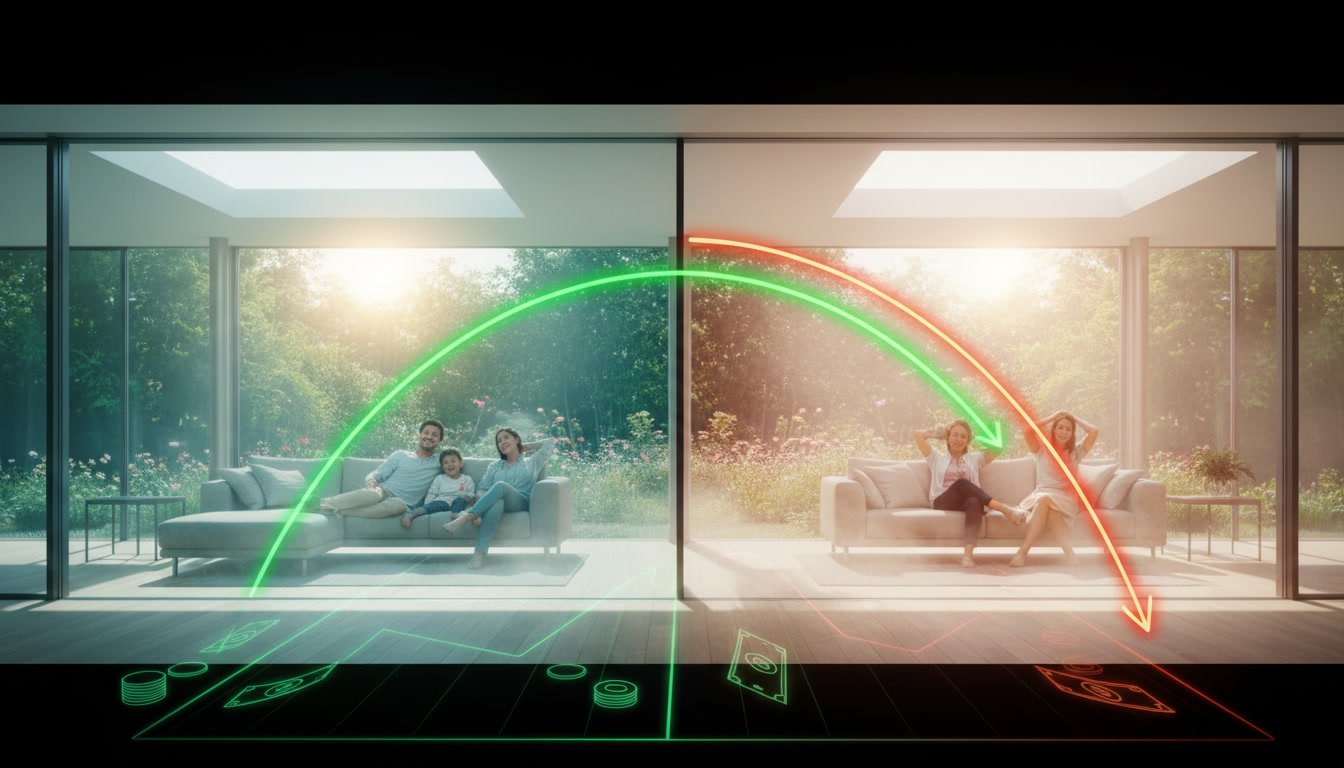
Energy savings vary based on existing window condition, home insulation, and heating system efficiency. Homes replacing single-pane windows often see 25 to 30 percent reductions in heating and cooling costs. Those upgrading from older dual-pane windows may see 12 to 18 percent savings.
Payback periods range from five to twelve years depending on energy prices and usage patterns. After that point, the savings become pure profit. Given that quality windows last 20 to 30 years, the long-term financial case is clear. Local utility rebates and federal tax credits can shorten payback periods further.
When to Consider Window Replacement
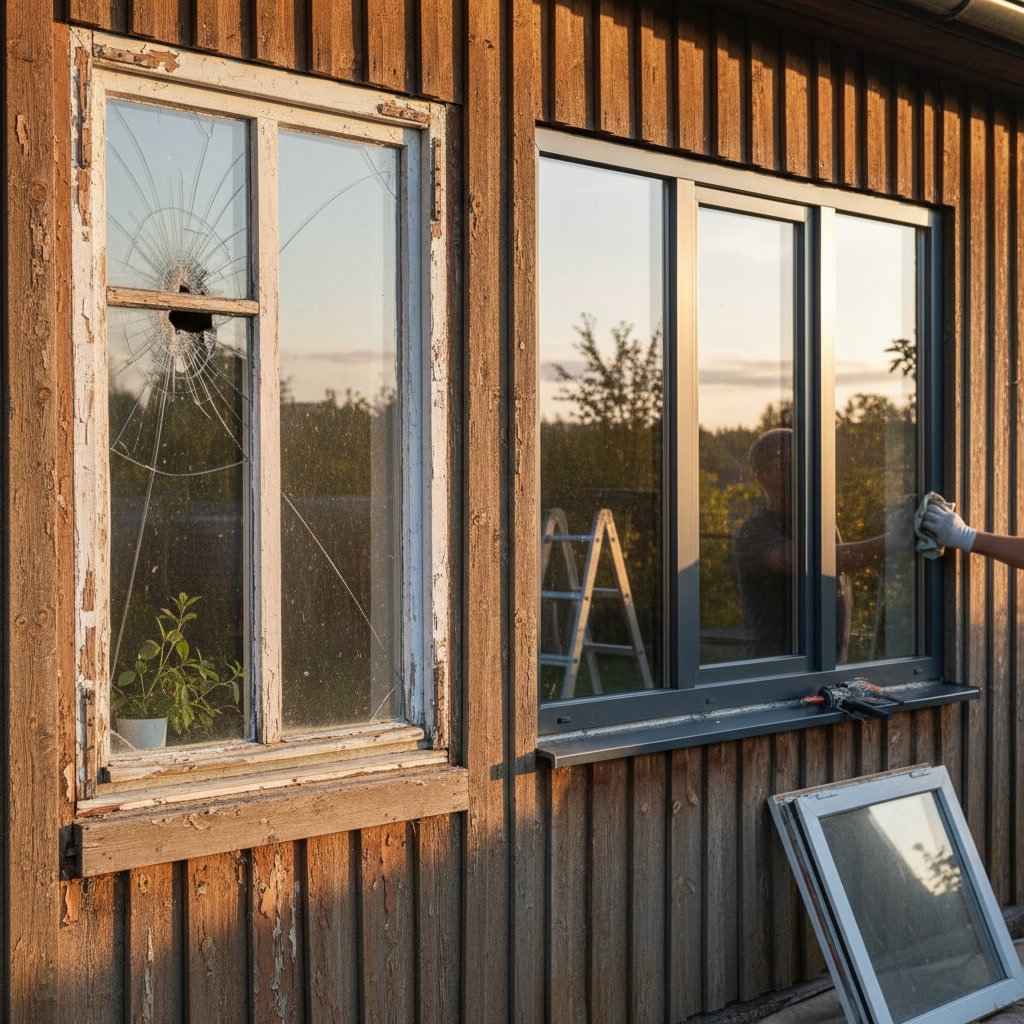
Several signs indicate that new windows will deliver meaningful returns. Drafts around sashes, condensation between panes, difficulty operating hardware, and peeling or rotting frames all suggest replacement time has arrived. If your windows are more than 20 years old and still have the original glass, you are almost certainly losing energy and comfort.
Homes with consistently high energy bills despite proper insulation and efficient HVAC systems should evaluate windows as the next upgrade. The combination of air sealing, modern framing materials, and low-E glass can transform problem areas into comfortable, efficient spaces.
Even if existing windows appear functional, upgrading to low-E glass makes sense when you are already planning exterior renovations or need to match new additions to existing spaces. Coordinating window replacement with other projects reduces overall labor costs and minimizes disruption.
Getting the Most from Your Window Investment
Choosing low-E glass is one part of an effective window upgrade. Frame material, installation quality, and proper sizing all contribute to final performance. Vinyl, fiberglass, and composite frames each offer different balances of cost, durability, and thermal performance. The best choice depends on your home’s style, exposure conditions, and maintenance preferences.
Proper measurement and custom sizing eliminate gaps that allow air infiltration. Even the best glass cannot compensate for a poorly fitted frame. Working with experienced installers ensures that every component works together to deliver the efficiency and comfort the technology promises.
PNW Prestige Exteriors has helped homeowners throughout the region select and install windows that match both their performance needs and aesthetic preferences. The combination of local climate knowledge, quality products, and careful installation creates results that last.
If you are ready to reduce energy costs, improve comfort, and protect your home’s interior finishes, new windows with low-E glass offer a proven solution. Call (253) 632-8746 to schedule a consultation and learn which glass specifications will work best for your home.